주제
기술 인사이트
먼저 우리 자신의 취약점을 찾아내자: 타늄(Tanium)의 ‘프론티어 AI 보안’ 약속
타늄은 최첨단 AI 모델을 활용해 다른 누구보다 먼저 자사 소프트웨어의 취약점을 찾아내고 있습니다. 지금까지 파악한 내용은 다음과 같으며, 고객 여러분께서 앞으로 더 많은 보안 권고 사항과 패치를 기대하셔야 하는 이유도 여기에 있습니다.

Slash Commands Bring Expert SecOps Workflows to Atlas
With /hunt, /investigate, and /signal, Atlas turns a simple chat interaction into a guided SecOps workflow grounded in live endpoint state.
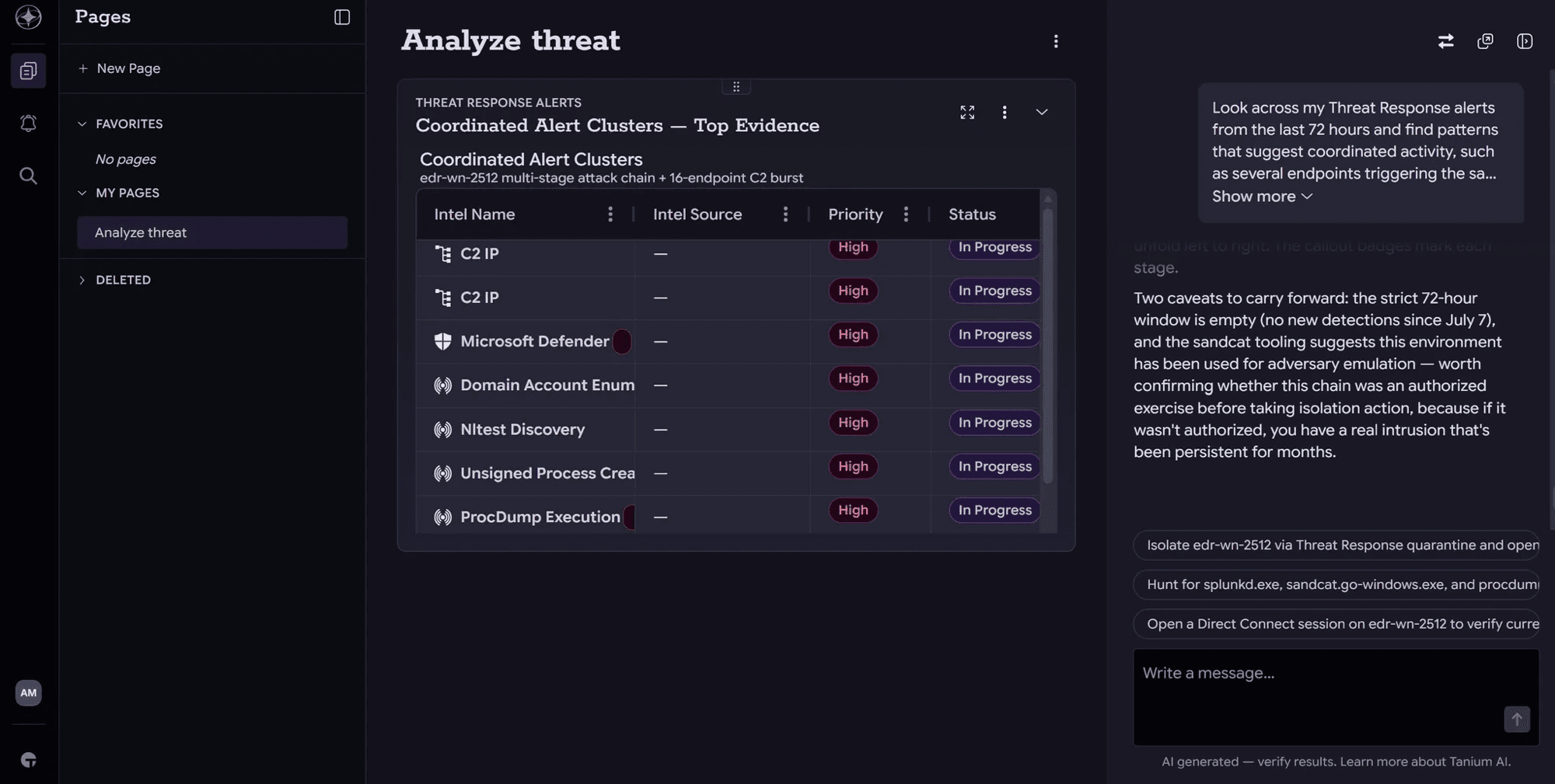
Agentic SecOps 소개: AI 기반 SOC를 위한 실시간 엔드포인트 현황 파악
Agentic SecOps changes the operating model: with Tanium Atlas, security teams can direct work in natural language, reason over live endpoint data, and keep humans in control.
타늄 아틀라스: 요원 한 명. 플랫폼이 지닌 모든 무게.
Tanium Atlas는 모든 상업용 및 미국 정부 클라우드 고객에게 정식 출시되었습니다. AI 위협 환경에서 업무를 수행하는 운영 담당자들에게 어떤 변화가 있는지, 그리고 제가 직접 이 글을 쓰고 싶었던 이유는 다음과 같습니다.
전체 공격 표면을 확인하세요. 진정으로 중요한 일에 집중하세요.
CVE 건수가 증가하고 있으며, AI를 통해 탐지된 위협이 급증하고 있고, 전체 공격 표면에 대한 가시성은 여전히 단편적인 상태입니다. 추가형 솔루션과 수동 인계 방식만으로는 도저히 따라잡을 수 없습니다. 선두를 달리고 있는 기업들은 한 가지 공통점을 가지고 있습니다. 바로 내부 및 외부 위험을 통합적으로 파악하는 관점을 바탕으로, 분산된 업무 흐름을 AI 기반의 우선순위 지정 및 자율적 문제 해결 체계로 대체했다는 점입니다.

'잠긴 방패'와 OSI 모델: 더 이상 방화벽을 탓하지 말자
블루 팀이 각 계층에서 실제로 무엇을 방어하는지, 그리고 왜 그다지 화려하지 않은 요소들(레이어 2, BGP)이 계속해서 승패를 좌우하는지, 기초부터 차근차근 살펴봅니다.
보안 팀은 잘못된 가시성 문제를 해결하고 있습니다
AI는 위협 범위와 시스템 환경, 그리고 상황을 명확히 파악하지 못했을 때 발생하는 비용을 한꺼번에 확대시켰습니다.

Windows Autopatch는 기업용으로 사용할 준비가 되었는가, 아니면 편의를 위해 너무 많은 제어권을 포기하는가?
Windows Autopatch는 Microsoft 서비스로, Windows Enterprise E3 이상에 포함되어 있으며, Intune 관리 장치 전반에 걸쳐 Windows 품질 업데이트, 드라이버 업데이트 및 Microsoft 365 앱 업데이트의 예약 및 배포를 자동화합니다. 이 서비스는 업데이트 링과 주기를 대신 관리함으로써 패치 예약의 수동 부담을 줄여주지만, 기업 패치 관리 워크플로우가 일반적으로 의존하는 세부적인 제어 기능을 추상화하는 방식으로 작동합니다.
스마트 거버넌스가 에이전틱 확산을 억제하는 방법
기업 전반에 걸쳐 AI 에이전트가 기하급수적으로 증가함에 따라, 거버넌스도 이들의 자율성, 규모 및 위험에 발맞춰 발전해야 합니다.
Tanium Atlas: 단순히 답변하는 것이 아니라 실행하는 AI
Tanium Atlas는 Tanium의 강력한 기능을 하나의 프롬프트로 구현합니다. 필요한 사항을 설명하기만 하면, Atlas가 사용자의 거버넌스 정책이 내장된 상태로 이를 실행합니다.
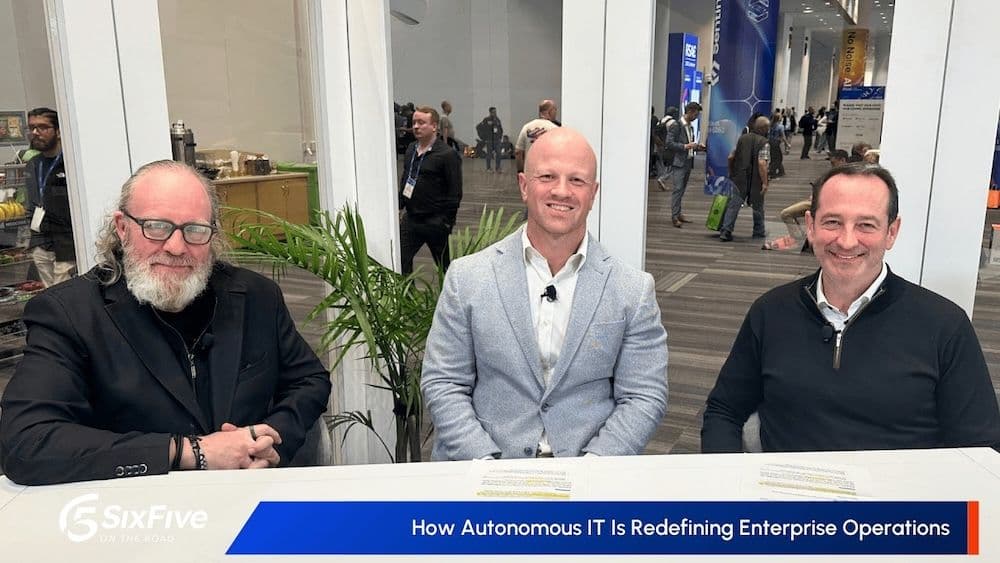
자율 IT 운영: 엔터프라이즈 IT 관리 혁신
RSAC 2026에서 Tanium CTO Matt Quinn은 자율 IT(대규모 실시간 엔드포인트 수준의 의사결정)가 AI 가속화에 뒤처지기 전에 기업이 구축해야 할 운영 기반임을 주장합니다.
엔드포인트 환경에서의 섀도우 AI 이해하기
로컬 모델부터 MCP 서버에 이르기까지 엔드포인트에서 섀도우 AI가 어떻게 나타나는지, 그리고 가시성, 거버넌스, 보안 구성이 지금 왜 중요한지 알아보세요.