주제
기술 뉴스
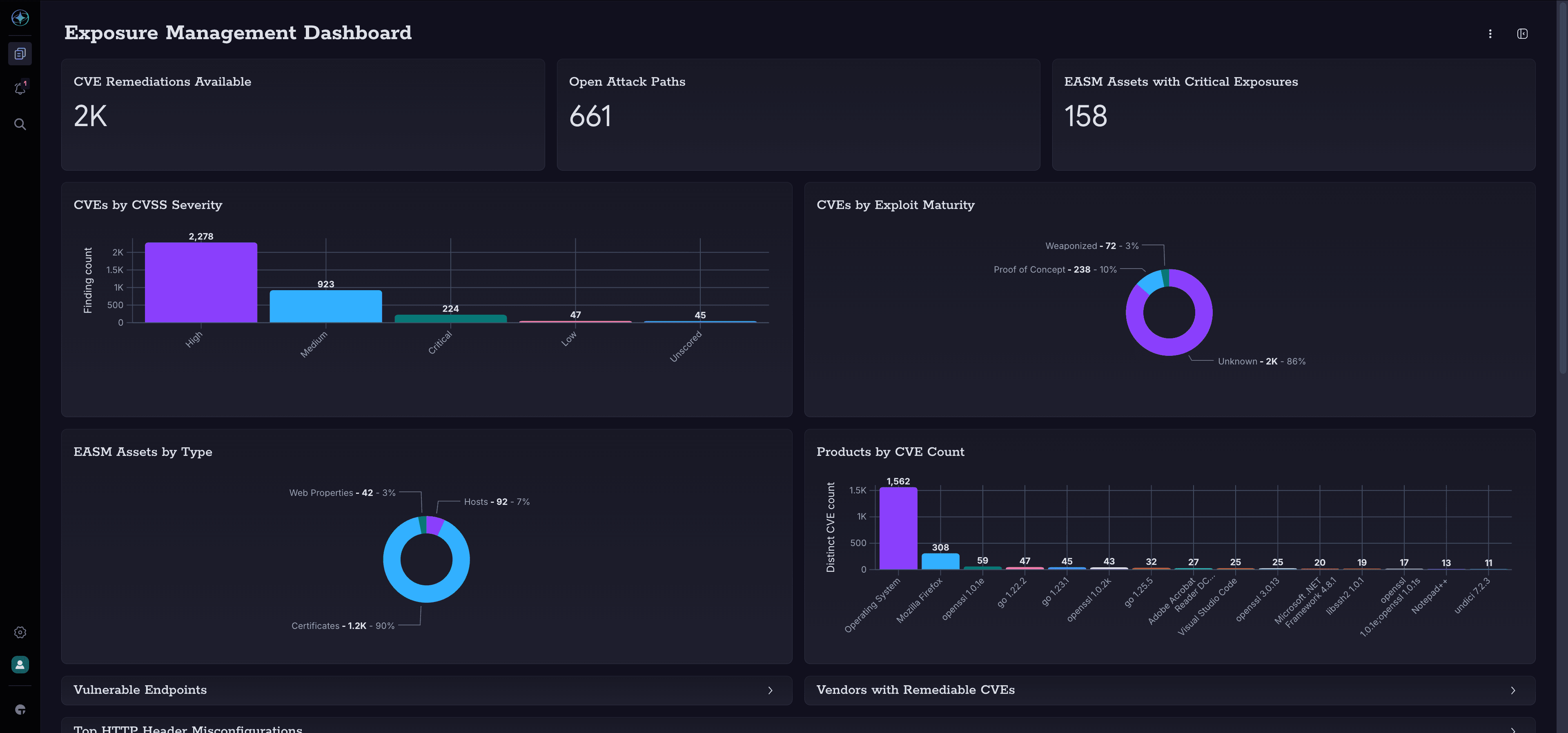
AI가 취약점 발견 속도를 높이고 있다. Tanium은 여러분이 최신 동향을 놓치지 않도록 도와드립니다.
Daily vulnerability findings across Tanium customer environments jumped from around 1 billion before mid-2026년 6월 to as high as 6 billion in September. 이러한 급증을 이끄는 요인과 이에 발맞추는 방법은 다음과 같습니다.
AI가 여러분의 환경을 한 단계 더 발전시키고 있습니다. 끊임없이 발전하는 당사의 커넥터: Tanium 및 ServiceNow를 위한 서비스 그래프 커넥터의 차세대 진화
Tanium Atlas를 위한 두 가지 새로운 서비스 그래프 커넥터가 ServiceNow CMDB에 델타 동기화 기능을 제공하여, 새로 추가되거나 변경된 엔드포인트 데이터만 전송합니다.

Slash Commands Bring Expert SecOps Workflows to Atlas
With /hunt, /investigate, and /signal, Atlas turns a simple chat interaction into a guided SecOps workflow grounded in live endpoint state.
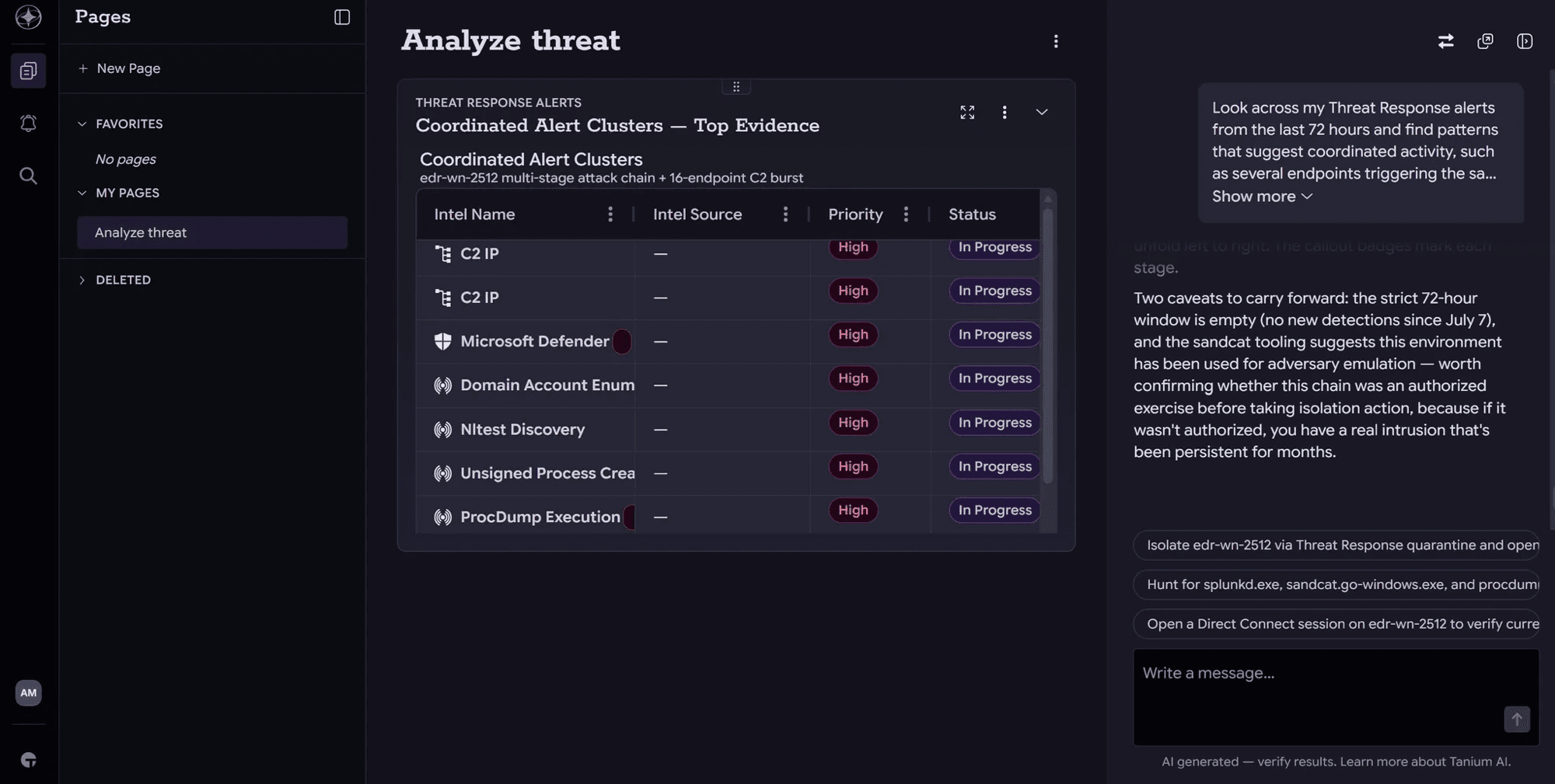
Agentic SecOps 소개: AI 기반 SOC를 위한 실시간 엔드포인트 현황 파악
Agentic SecOps changes the operating model: with Tanium Atlas, security teams can direct work in natural language, reason over live endpoint data, and keep humans in control.
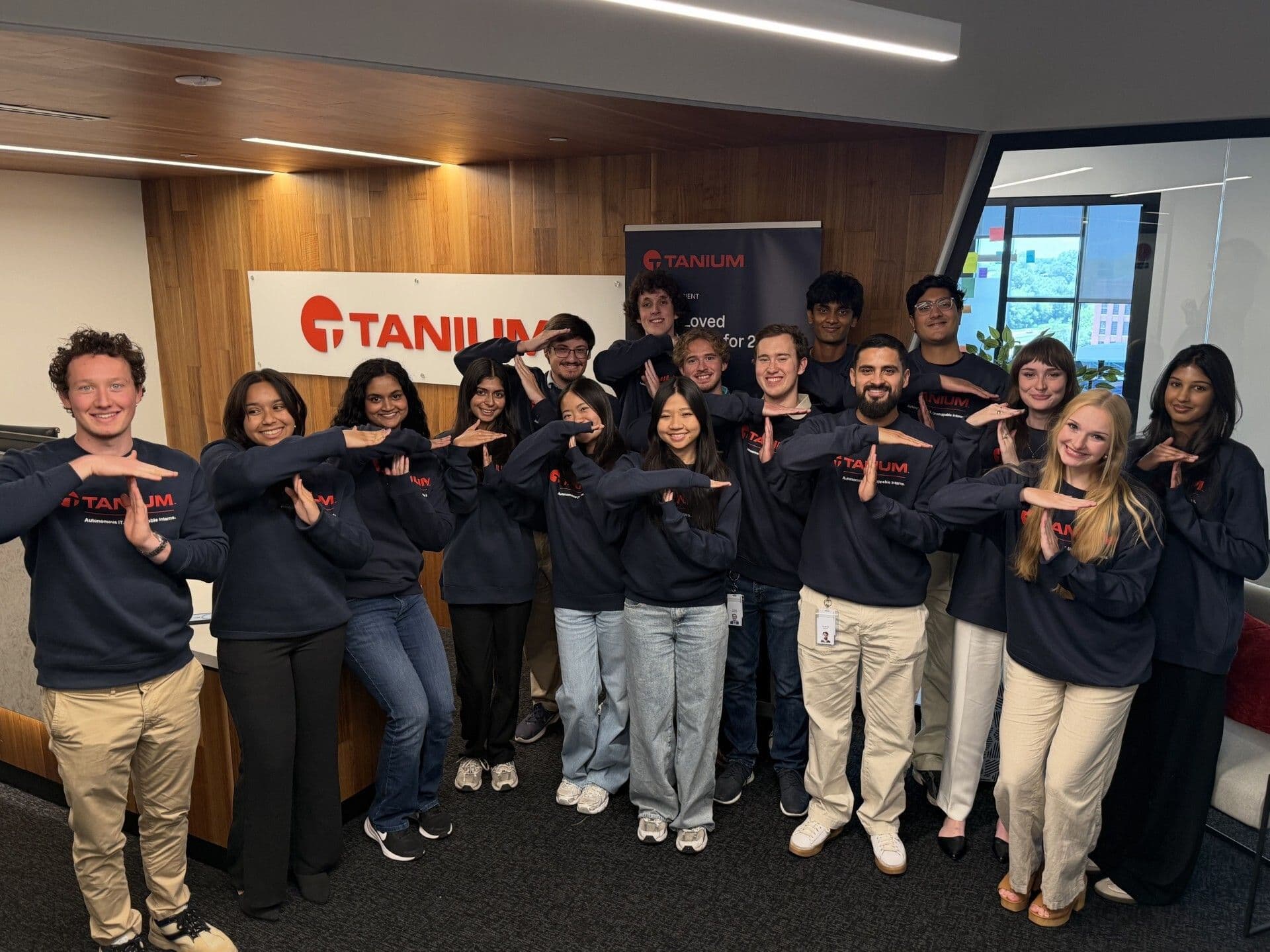
Tanium’s Summer Intern Program: A Launch Pad to Leadership in Cybersecurity
A look at Tanium’s leading summer internship program – and why it’s a great option for students and professionals entering cybersecurity.

타늄 아틀라스: 요원 한 명. 플랫폼이 지닌 모든 무게.
Tanium Atlas는 모든 상업용 및 미국 정부 클라우드 고객에게 정식 출시되었습니다. AI 위협 환경에서 업무를 수행하는 운영 담당자들에게 어떤 변화가 있는지, 그리고 제가 직접 이 글을 쓰고 싶었던 이유는 다음과 같습니다.

전체 공격 표면을 확인하세요. 진정으로 중요한 일에 집중하세요.
CVE 건수가 증가하고 있으며, AI를 통해 탐지된 위협이 급증하고 있고, 전체 공격 표면에 대한 가시성은 여전히 단편적인 상태입니다. 추가형 솔루션과 수동 인계 방식만으로는 도저히 따라잡을 수 없습니다. 선두를 달리고 있는 기업들은 한 가지 공통점을 가지고 있습니다. 바로 내부 및 외부 위험을 통합적으로 파악하는 관점을 바탕으로, 분산된 업무 흐름을 AI 기반의 우선순위 지정 및 자율적 문제 해결 체계로 대체했다는 점입니다.
더 빠른 대응을 위한 Tanium Threat Navigator로 위협 매핑 - Tanium Tech Talks #164
Tanium 시니어 위협 헌터 Duncan Miller가 Threat Response 내의 새로운 기능인 Tanium Threat Navigator를 소개하며, 반복적인 헌트를 공유 가능하고 실행 가능한 인텔리전스로 전환하는 구조화되고 반복 가능한 워크플로우 업그레이드를 통해 엔터프라이즈 규모의 위협 헌팅이 어떻게 발전하는지 보여줍니다.

도메인 컨트롤러의 심각한 Netlogon 원격 코드 실행(RCE) 취약점 (CVE-2026-41089)
Windows Netlogon(CVE-2026-41089, CVSS 9,8)에 존재하는 심각한 인증 없는 원격 코드 실행 취약점으로 인해, 원격 공격자가 도메인 컨트롤러에서 SYSTEM 권한으로 코드를 실행할 수 있습니다. 동일한 유지보수 기간 내에 모든 도메인 컨트롤러에 ‘ 2026년 5월 ’ 보안 업데이트를 적용하십시오.
Tanium Atlas로 엔터프라이즈 IT 인프라 매핑 - Tanium Tech Talks #163
Tanium 제품 관리 시니어 디렉터 겸 포트폴리오 리드 Steven Yang이 Tanium Atlas를 소개합니다. 이는 고정된 모듈 탐색을 자연어 프롬프트, 동적 구성 가능한 페이지, 에이전틱 워크플로우로 대체하는 AI 기반 경험으로, IT 및 보안 팀이 엔드포인트 데이터와 상호작용하는 방식을 근본적으로 변화시킵니다.
IT 보안을 위한 AI 기반 엔드포인트 강화 및 분석 - Tanium Tech Talks #162
Tanium HuntIQ 헌터 Duncan Miller가 Threat Response 내의 AI 기반 강화 및 분석 기능이 보안 팀이 명령을 해독하고, 알림을 맥락화하며, 콘솔을 벗어나지 않고 결과에 따라 조치를 취하는 방식을 어떻게 변화시키고 있는지 시연합니다.

2026년 5월 GitHub 해킹 사건: 확장 프로그램 관리 문제는 여전히 과제로 남아 있다–그렇다면 어떻게 대처해야 할까?
2026년 5월 20일에서 GitHub는 악성 VS Code 확장 프로그램을 통해 직원 기기가 해킹당했다고 밝혔으며, 공격자들은 약 3.800 개의 내부 저장소를 유출했다고 주장했습니다.