주제
Tanium 블로그
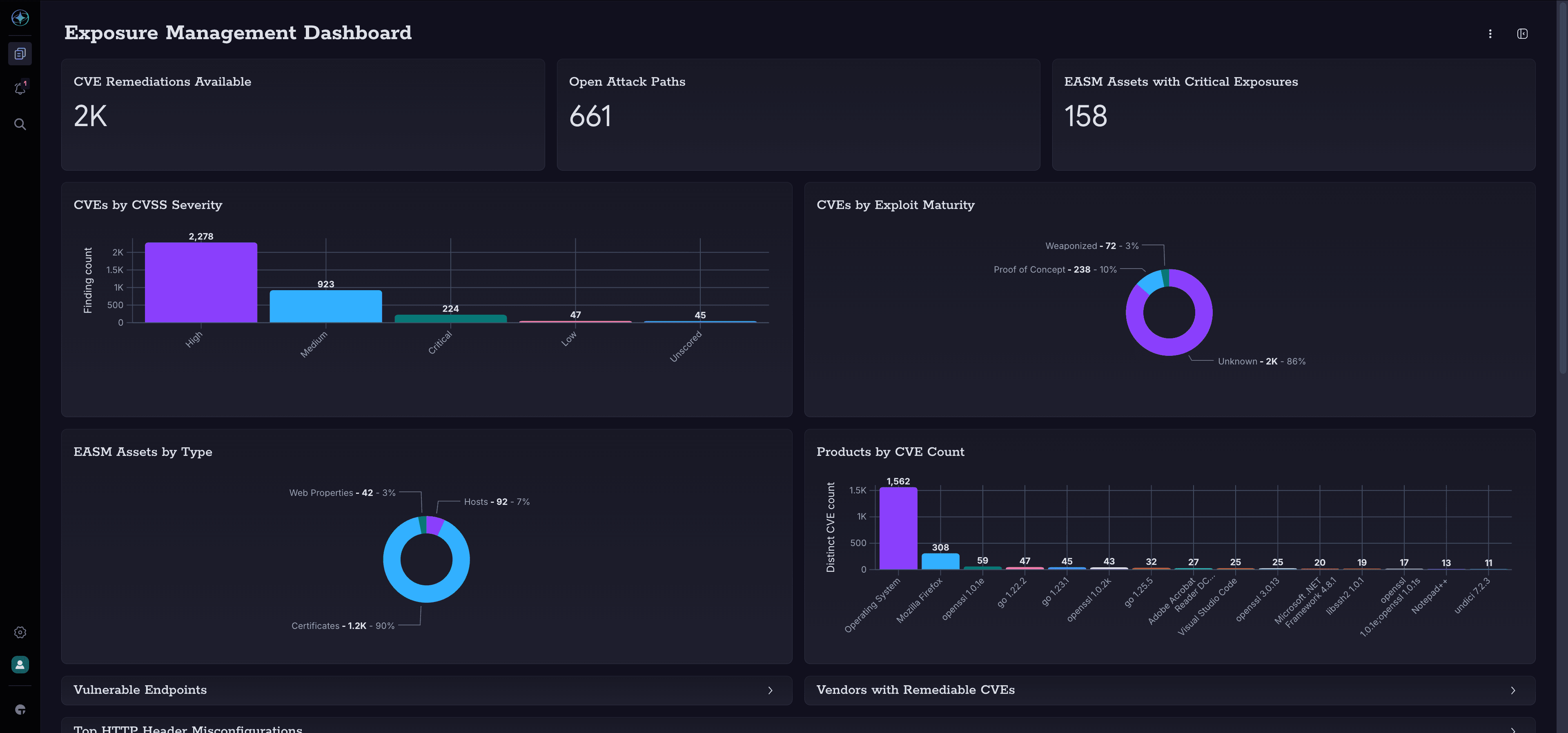
AI가 취약점 발견 속도를 높이고 있다. Tanium은 여러분이 최신 동향을 놓치지 않도록 도와드립니다.
Daily vulnerability findings across Tanium customer environments jumped from around 1 billion before mid-2026년 6월 to as high as 6 billion in September. 이러한 급증을 이끄는 요인과 이에 발맞추는 방법은 다음과 같습니다.
AI가 여러분의 환경을 한 단계 더 발전시키고 있습니다. 끊임없이 발전하는 당사의 커넥터: Tanium 및 ServiceNow를 위한 서비스 그래프 커넥터의 차세대 진화
Tanium Atlas를 위한 두 가지 새로운 서비스 그래프 커넥터가 ServiceNow CMDB에 델타 동기화 기능을 제공하여, 새로 추가되거나 변경된 엔드포인트 데이터만 전송합니다.
헌터 승리: HuntIQ Tradecraft는 여러분의 새로운 헌팅 라이브러리입니다
‘사냥하거나 사냥당하거나’ 시리즈는 사냥에 관한 이야기를 다룹니다. Tanium 리소스 센터에 공개된 HuntIQ Tradecraft는 사용자가 직접 실행할 수 있는 가이드라인을 제공합니다.
먼저 우리 자신의 취약점을 찾아내자: 타늄(Tanium)의 ‘프론티어 AI 보안’ 약속
타늄은 최첨단 AI 모델을 활용해 다른 누구보다 먼저 자사 소프트웨어의 취약점을 찾아내고 있습니다. 지금까지 파악한 내용은 다음과 같으며, 고객 여러분께서 앞으로 더 많은 보안 권고 사항과 패치를 기대하셔야 하는 이유도 여기에 있습니다.
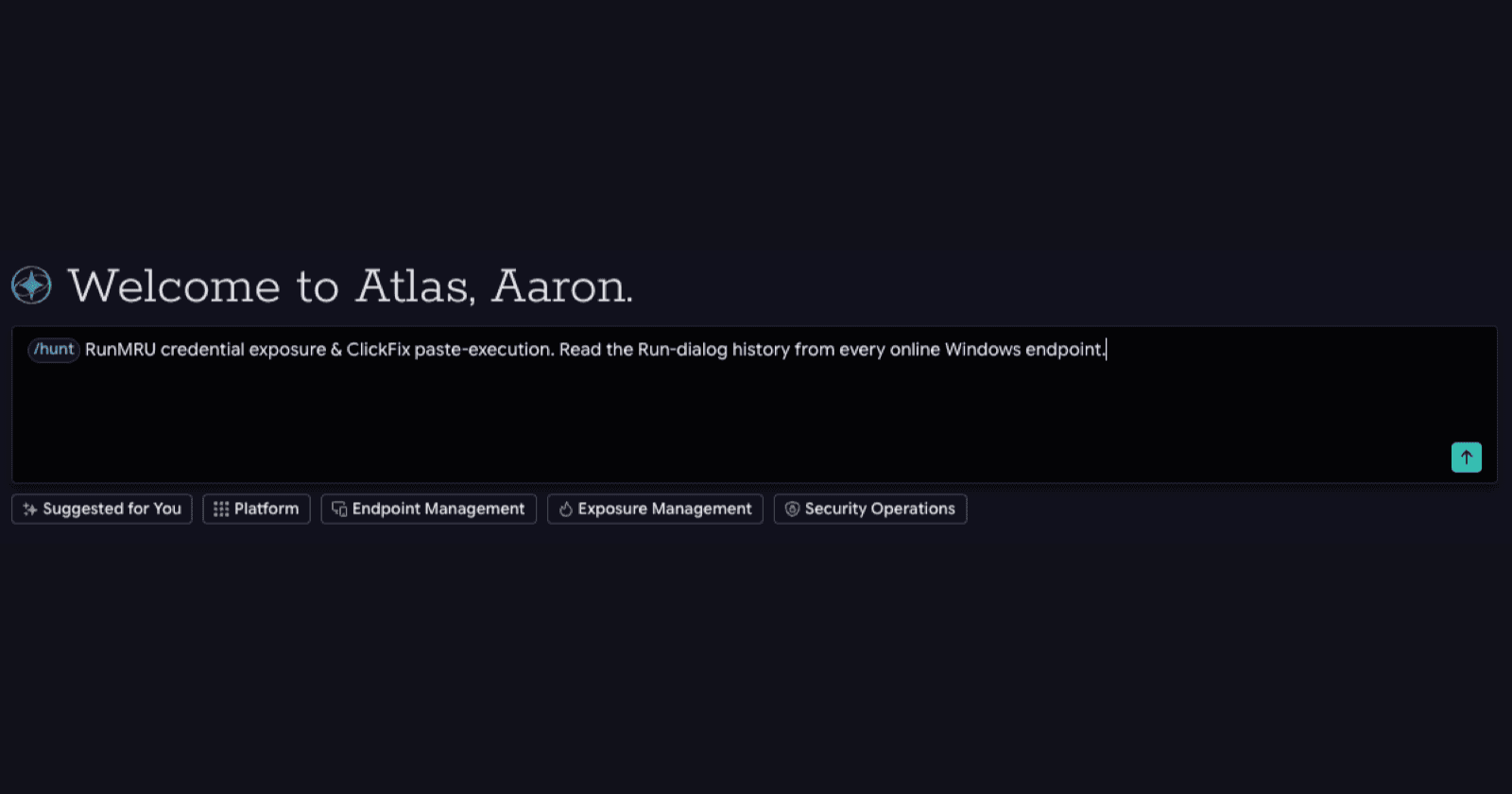
사냥하든, 사냥당하든: 자격 증명 정보 유출을 노린 RunMRU 공격
ClickFix를 위해 제작된 헌팅 플레이북이 삽입된 명령어를 찾던 중, 대신 타사 포털에 대한 유효한 인증 정보를 발견했습니다.

사냥하든, 사냥당하든: FalconFlank 제로데이
FalconFlank 익스플로잇이 공개된 지 48 시간 만에, Tanium HuntIQ는 CrowdStrike Falcon의 특권 정리 기능을 악용해 시스템을 공격하는 공격자들을 적발하기 위해 7개의 행동 기반 탐지 규칙과 1개의 Atlas 헌트 프롬프트를 구축했습니다. Tanium Atlas가 약 1분 만에 전체 Windows 환경을 스캔하여 취약점을 파악하는 과정을 확인해 보세요.

사냥하든, 사냥당하든: ShieldBreak 제로데이
Tanium HuntIQ가 CVE가 할당되기 전에 Windows Defender의 제로데이 취약점을 검증된 대응 방안으로 전환한 방법을 알아보세요.

The clock is ticking: Your roadmap to 31st October 2026
Along with the Bank of England in May, the ECB is requiring organisations to produce an action plan against AI-driven cyberattacks. What it wants, however, is not a strategy paper but proof of operational readiness.

Slash Commands Bring Expert SecOps Workflows to Atlas
With /hunt, /investigate, and /signal, Atlas turns a simple chat interaction into a guided SecOps workflow grounded in live endpoint state.
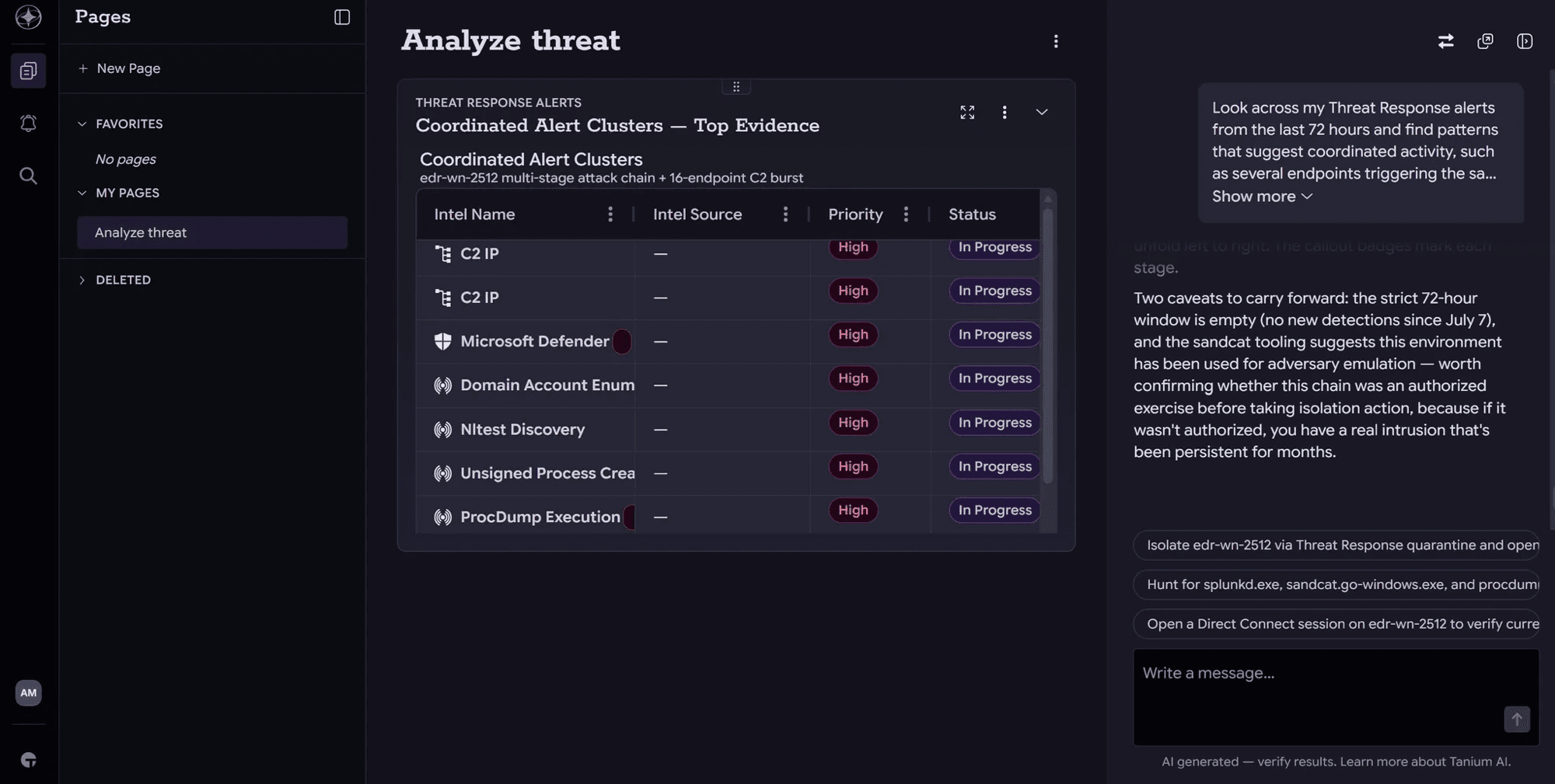
Agentic SecOps 소개: AI 기반 SOC를 위한 실시간 엔드포인트 현황 파악
Agentic SecOps changes the operating model: with Tanium Atlas, security teams can direct work in natural language, reason over live endpoint data, and keep humans in control.
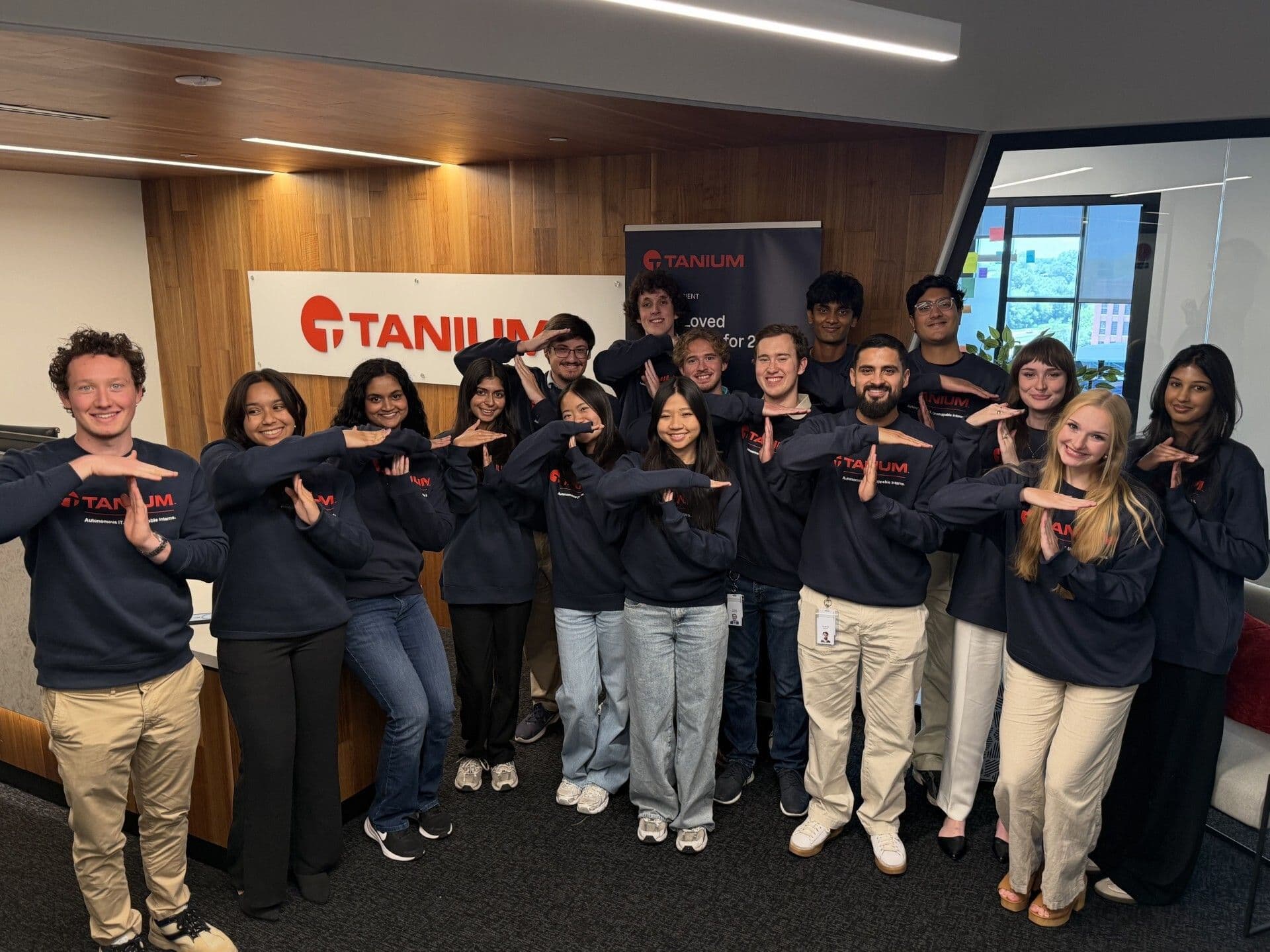
Tanium’s Summer Intern Program: A Launch Pad to Leadership in Cybersecurity
A look at Tanium’s leading summer internship program – and why it’s a great option for students and professionals entering cybersecurity.

보안 자동화 도구: 정의와 작동 원리
보안 자동화 도구는 소프트웨어 기반의 워크플로를 활용하여 수동 개입을 최소화하면서 사이버 위협을 탐지, 조사 및 해결합니다. 보안 스택 전반에 걸쳐 통합됨으로써, 이러한 도구들은 경보 과부하를 줄이고, 자동화된 사고 대응을 가속화하며, 지속적인 규정 준수를 유지합니다.